










How to Identify the Best Bitcoin Casino in Canada for 2026: A Complete Safety and Licensing Guide for Canadian Players
How to Identify the Best Bitcoin Casino in Canada for 2026: A Complete Safety and Licensing Guide for Canadian Players
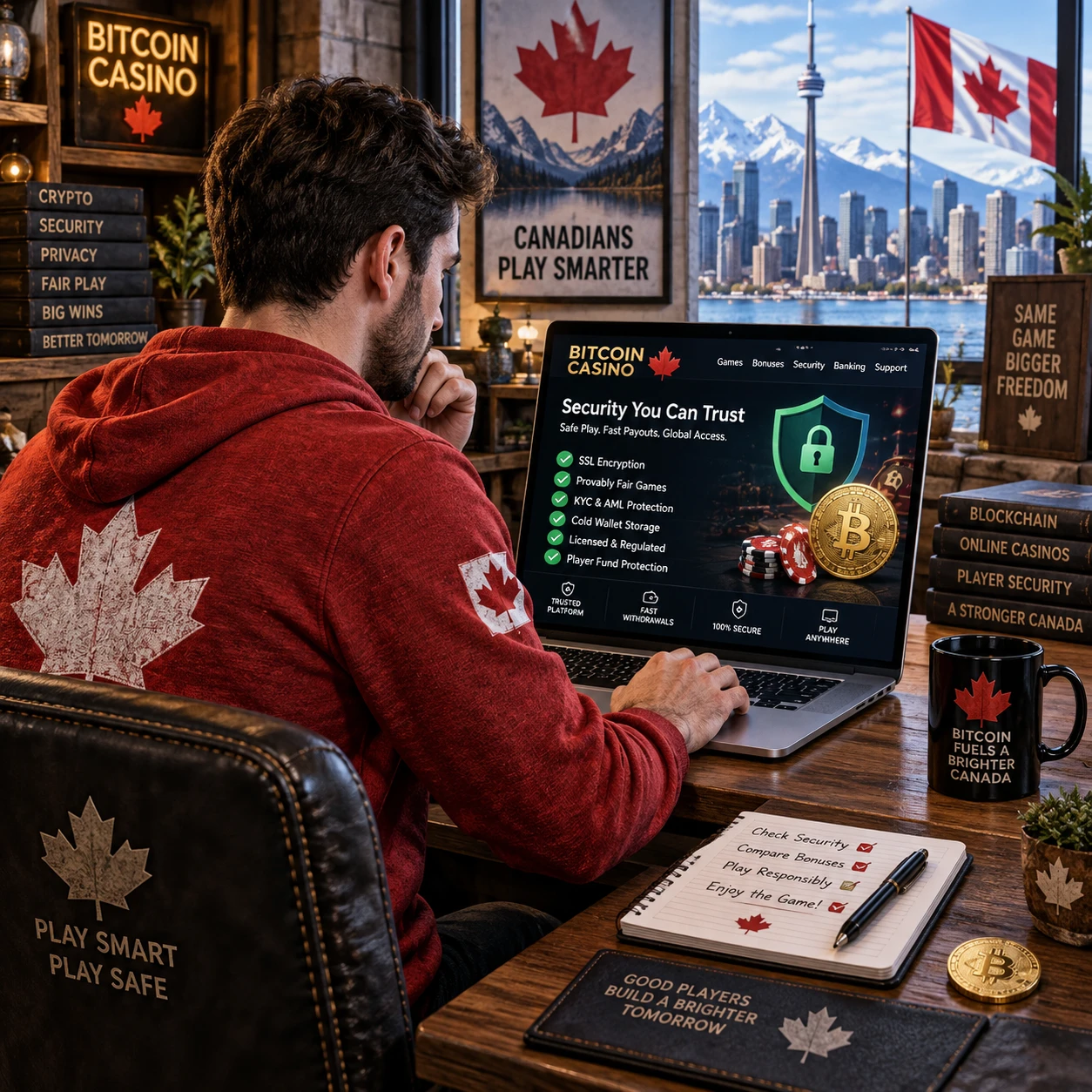
I've burned through a good chunk of 2026 poking around crypto gambling platforms, and honestly? The landscape has shifted hard from even two years back. More Canadian players than ever are moving toward bitcoin casinos — near-instant payouts, lower transaction costs, and a kind of privacy you just won't get from a standard e-transfer deposit. But here's the catch, and it's a big one: the exact same features that make crypto gambling appealing — speed, decentralization, pseudonymity — also make it dead simple for sketchy operators to hide in plain sight. Before you deposit a single satoshi, you need to know how to spot a legitimate, well-run casino from one that's going to vanish with your funds. That's what this guide is for.
What Makes a Bitcoin Casino Different From Traditional Online Casinos?
A bitcoin casino runs on fundamentally different rails than your typical fiat-based gambling site. Instead of linking a credit card or bank account, you connect a crypto wallet and send funds straight through via blockchain transaction. No middleman bank processing your deposit, which means confirmation times can drop to minutes instead of days. A lot of these platforms also use provably fair gaming systems — cryptographic algorithms that let you independently verify a slot spin or dice roll wasn't rigged after the fact. That's a genuine upgrade in transparency, and it's one fiat casinos rarely bother offering.
Key Advantages for Canadian Players
For players here in Canada, the appeal goes beyond novelty. Withdrawal times that used to eat up three to five business days with an e-transfer can shrink to under an hour with Bitcoin or USDT. Under an hour. Banking fees essentially disappear since you're not routing through Interac or a credit card network at all. You also pick up access to international game libraries that might otherwise get blocked off by regional payment processors. And for players who care about discretion — plenty do — crypto transactions don't show up on a bank statement with a casino's name attached. That's a meaningful consideration for a lot of Canadians, more than people admit out loud.
Licensing and Regulation — Why It Matters in Canada
Canada's online gambling landscape is, to put it plainly, a patchwork. Ontario runs its own regulated market through iGaming Ontario, which requires operators to hold a provincial license to legally serve players there. Outside Ontario, most Canadians end up on offshore-licensed sites, usually regulated out of Curacao, Malta, or the Isle of Man. None of these jurisdictions are inherently bad — I want to be clear about that — but the strength of oversight varies enormously between them. A Malta Gaming Authority license, for instance, involves far more rigorous auditing than some of the older Curacao sub-licenses still floating around. Knowing which license a bitcoin casino actually holds tells you a lot about what protections you'd realistically get if something goes sideways.
Recognizing Legitimate Licensing Seals
Don't just trust a logo sitting at the bottom of a homepage — verify it yourself. Legitimate casinos display a license number you can cross-check directly on the regulator's official website. Claims Malta licensing? Go to the MGA registry and search the number. Fake or expired seals show up more often than you'd think, especially among newer crypto-only operators trying to look established before they actually are. If the license number doesn't match, or the regulator's site has no record of it at all, walk away. No exceptions.
Core Safety Features of a Trustworthy Bitcoin Casino
Beyond licensing, a handful of technical and operational markers separate reliable platforms from risky ones. SSL encryption on every page handling financial data is non-negotiable, full stop. Provably fair algorithms should be clearly explained and actually verifiable — not just dropped as a buzzword in marketing copy. Terms and conditions, especially around bonus wagering requirements, should read in plain language rather than get buried in confusing legalese. Third-party audits from outfits like eCOGRA or iTech Labs add another layer of credibility, confirming the games haven't been quietly rigged.
One area that gets overlooked constantly by crypto gamblers is anti-money laundering compliance. Even though blockchain transactions feel anonymous, reputable casinos still need to align with consumer protection and financial integrity standards — that part doesn't go away just because you're paying in crypto. If you want to dig into the broader compliance frameworks that help evaluate the trustworthiness of any best bitcoin casino, resources through organizations like ipac-amac.ca offer useful context on anti-money laundering practices and how they intersect with consumer protection in the investment and financial services space. Cautious players can use these frameworks as a reference point when judging whether a platform's compliance posture actually holds up to scrutiny, rather than just taking their word for it.
AML and KYC Standards for Crypto Platforms
You'd think a crypto casino skips identity verification entirely. The better-run ones don't, though. KYC (Know Your Customer) checks — usually a government ID and sometimes a utility bill — protect you from account takeovers and help the casino flag fraudulent deposits before they become a bigger problem. It also lines up with Canadian financial compliance expectations, even in jurisdictions where crypto gambling itself isn't directly regulated. So if a casino lets you pull large sums with zero identity checks? That's not a convenience. That's a red flag pointing straight at weak internal controls.
Step-by-Step Guide to Evaluating a Bitcoin Casino
Here's the practical checklist I run through before trusting any new platform with my funds:
- Confirm the license number against the issuing regulator's official database
- Read independent reviews on forums and dedicated gambling review sites, not just testimonials on the casino's own homepage
- Test customer support with a real question before depositing — response time and quality tell you a lot
- Check stated withdrawal limits and actual processing times from recent user reports
- Confirm which cryptocurrencies are supported, ideally Bitcoin, Ethereum, and USDT at minimum
Red Flags That Signal an Unsafe Casino
Certain warning signs should make you close the tab immediately, no debate. Unclear or hidden ownership information. No visible license disclosure. Repeatedly delayed withdrawals showing up across multiple reviews, bonus terms with wagering requirements that make no sense (think 50x or higher), and a steady pattern of unresolved complaints — all of it signals a casino that isn't operating in good faith. Trust your gut here. If something feels off, it usually is.
Comparing Top Bitcoin Casino Features for 2026
This year's leading platforms have raised the bar considerably, maybe more than I expected going in. Instant crypto withdrawals are now expected rather than some rare bonus. Mobile-optimized interfaces have become essential, too, since a large share of Canadian players game exclusively from their phones these days. VIP loyalty programs offer tiered rewards tied to crypto deposit volume, and multi-currency support — covering BTC, ETH, USDT, and sometimes Litecoin or Dogecoin — gives players real flexibility. Still, use the licensing and safety criteria from the sections above as your actual comparison framework, not the flashy bonus offers dangled out front.
Responsible Gambling and Player Protection Resources
No matter how fast or private a bitcoin casino is, responsible gambling needs to stay front and center. Canadian organizations like the Responsible Gambling Council offer self-assessment tools and support resources worth actually using. Reputable crypto casinos should offer self-exclusion options, deposit limits, and cooling-off periods directly within account settings — not buried three menus deep. If a platform makes these tools hard to find, or skips them entirely, that's another mark against it. Gambling within your means isn't just good advice. It's a core part of judging whether a casino genuinely has your interests at heart, or just your deposit.
Frequently Asked Questions (FAQ)
Is bitcoin gambling legal in Canada? Online gambling itself sits in a legal gray area outside Ontario's regulated market, but Canadian players generally face no legal repercussions for playing at licensed offshore crypto casinos. The responsibility to choose a legitimate, compliant platform falls on you, the player.
How do I verify a casino's license is authentic? Locate the license number on the casino's site and cross-reference it directly on the regulator's official registry — never trust a logo alone.
What cryptocurrencies are safest to use for deposits? Bitcoin and Ethereum remain the most established and widely audited options, with USDT offering price stability for players who'd rather avoid volatility mid-session.
Can I remain anonymous while playing at a bitcoin casino? You can hold onto a higher degree of privacy than fiat methods allow, sure, but legitimate casinos will still require KYC verification for withdrawals above certain thresholds, in line with AML standards.
Choosing the right bitcoin casino in 2026 really comes down to doing the homework most players skip entirely: verifying licenses against official registries, checking for genuine third-party audits, confirming AML and KYC practices are actually enforced rather than just claimed, and reading real player feedback instead of marketing copy. None of this takes more than twenty minutes per platform. And that twenty minutes is the difference between a smooth, fast gaming experience and a frustrating standoff with an operator that never intended to pay out in the first place. Run through the checklist, trust the red flags when you spot them, and you'll be well positioned to enjoy everything crypto gambling has to offer — without the risk that comes from skipping due diligence.