



The Ultimate French Riviera Road Trip Guide for Canadian Travelers in 2026
The Ultimate French Riviera Road Trip Guide for Canadian Travelers in 2026
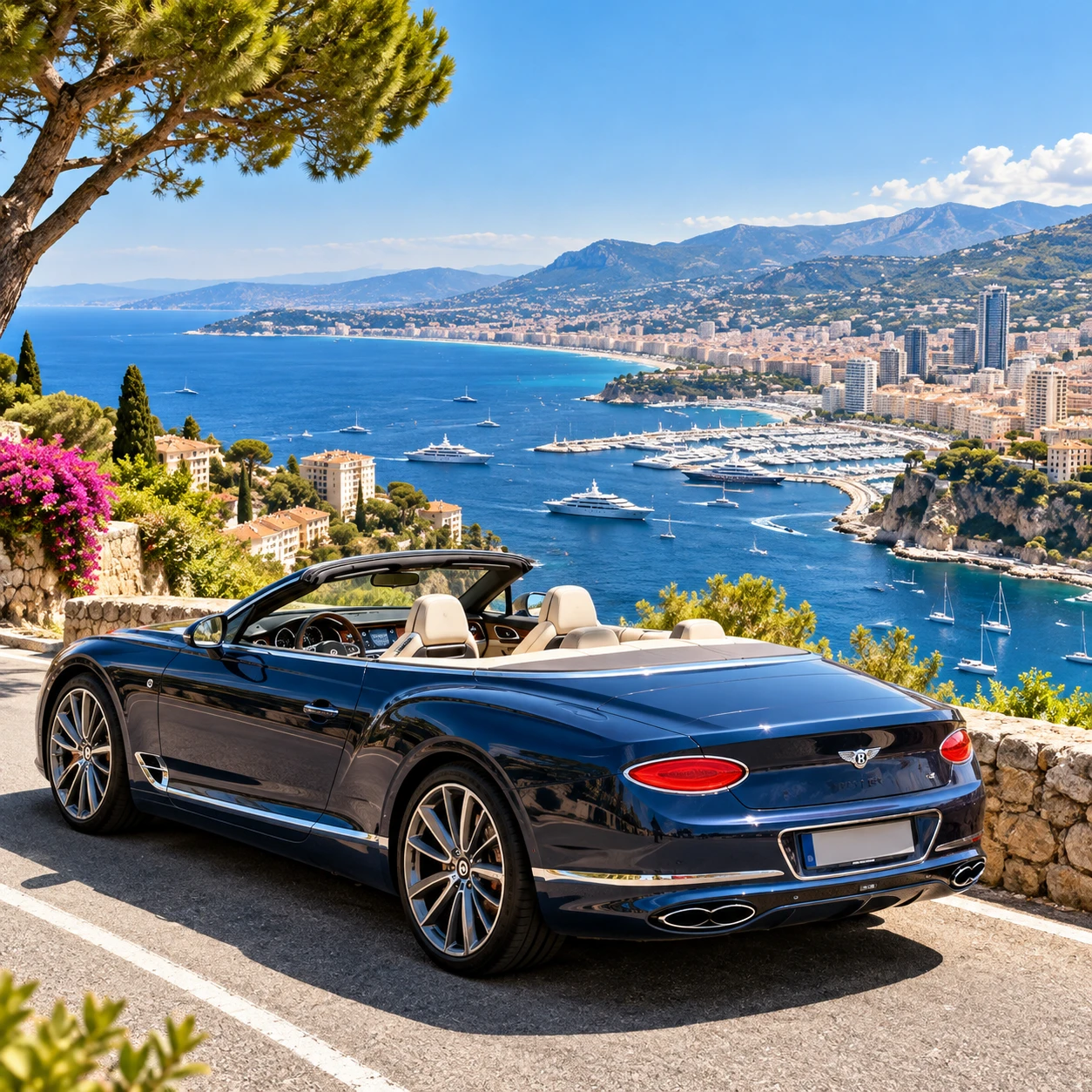
The first time I pictured driving along the Côte d'Azur, I saw a cinematic ribbon of Mediterranean coastline: glamorous resort towns, quiet fishing villages and blue water appearing just beyond the roadside. In 2026, that vision becomes wonderfully real, especially for Canadian travelers who want more freedom than a rail itinerary can offer. With a rental car, I can leave Cannes for a hidden cove, take my time through Antibes and still reach Monaco later than the last direct bus.
The French Riviera is compact enough for a rewarding one-week road trip, yet varied enough to keep every day interesting. I can begin among the beaches and film-festival glamour of Cannes, cross into the old-world streets of Antibes, follow the coast to Nice and finish beside the superyachts and historic districts of Monaco. With a little planning, the route becomes less about covering distances and more about discovering the small moments between the headline destinations.
Why the French Riviera Is Ideal for a 2026 Road Trip
The Riviera works well by car because the major attractions are close together, but the scenery changes constantly. One moment I may be driving between Cannes and Antibes beneath umbrella pines; the next, I could climb toward Èze, where medieval stone buildings seem to hang above the sea. Coastal roads offer ocean views, while inland routes reveal hillside villages, vineyards and forest-covered slopes.
For Canadian travelers, a car also solves several practical problems. I can carry larger luggage without wrestling it onto trains or platforms, fit children or several passengers comfortably and stop at a market when the produce looks especially good. I can also build the day around my own priorities instead of adjusting everything to a fixed departure time.
What Makes a Scenic Coastal Drive
The most memorable Riviera drives combine two different experiences: lively waterfront destinations and quieter stretches where the sea becomes the main attraction. Cannes and the Croisette provide a polished introduction. Antibes offers a more relaxed historic center, while the coastline toward Nice alternates between pebbled beaches, cliffs and wooded areas.
A practical one-week route leaves room for spontaneous stops instead of turning every transfer into a rushed sightseeing appointment. I keep at least one flexible afternoon in the itinerary for a beach, an unplanned viewpoint or a long lunch overlooking the water. Those pauses often become the best memories of the trip.
Planning Your Route from Cannes to Monaco
I recommend starting in Cannes because it provides easy access to the airport and several attractive coastal towns. From central Cannes to Antibes takes roughly 25 minutes outside heavy traffic. Antibes to Nice usually requires around 35 to 45 minutes, while Nice to Monaco can be completed in approximately 30 minutes. Weekend congestion, especially near Nice and Monaco, can stretch those estimates considerably.
The scenic coastal road is usually the most enjoyable choice, although I check live traffic before leaving. Alternating routes can help when there is an accident, a major event or unusually heavy congestion. I avoid making tight flight or ferry connections immediately after a drive because urban traffic rarely follows a predictable schedule.
A Recommended Seven-Day Itinerary
- Day 1 – Cannes and its surroundings: I explore the Croisette, spend time at a beach or pool and become familiar with the rental car. Depending on the season, I also visit nearby museums or take a short drive toward Antibes for dinner.
- Day 2 – Antibes: I walk through the old town, browse the market and visit Cap d'Antibes for elevated coastal views. The nearby towns of Juan-les-Pins and Vallauris are also easy additions.
- Day 3 – Nice and the surrounding coast: I explore the Promenade des Anglais, Old Nice and Castle Hill. For a quieter morning, I drive toward Villefranche-sur-Mer or the beaches east of Nice.
- Day 4 – Èze and La Turbie: These hilltop locations provide history, mountain scenery and some of the Riviera's most memorable panoramas. I keep the schedule relaxed because village lanes can be narrow and congested.
- Day 5 – Saint-Paul-de-Vence and the interior: I visit this famous hilltop village, then continue through the countryside toward Gourdon or Opio for lunch and scenic drives.
- Day 6 – Monaco: I devote the day to the Rock, Monte Carlo, the Oceanographic Museum and the harbor area. Parking is expensive, so I plan my arrival carefully and walk whenever possible.
- Day 7 – Flexible coastal finale: I choose between a beach morning, a return to Cannes or a visit to smaller destinations such as Beaulieu-sur-Mer, Villefranche-sur-Mer or Cap Ferrat, depending on my departure plans.
Best Stops for Views, Beaches, and Photos
Cap d'Antibes, the Corniche near Èze and the viewpoints around Monaco offer excellent photographs, but I never stop in a way that blocks traffic or creates danger. For swimming, I favor established beaches with public access and facilities. Plage de la Salis near Antibes and beaches around Villefranche-sur-Mer are particularly convenient options.
Sunset viewpoints around Èze and Cap Ferrat create memorable backdrops, while lunch in a smaller coastal village can be just as rewarding as a stop at a famous restaurant. I always obey parking signs and restrictions because French enforcement is strict and vehicle removal is possible.
Getting a Stylish—and Practical—Rental Car
A compact car is the easiest option for Cannes, Nice and Monaco, where parking spaces are tight and old streets are narrow. A compact SUV provides additional room for luggage and comfort on hill roads. For couples wanting a memorable coastal drive, a premium sedan or luxury convertible can add comfort and style, provided I am comfortable with higher rental rates and limited parking convenience.
I prioritize an automatic transmission because it simplifies traffic, roundabouts and steep descents. Luggage capacity matters more than horsepower: two large suitcases may not fit comfortably in a small car. I also review insurance coverage, deposits, child-seat requirements, mileage limits and cross-border policies. Most rental companies require a physical credit card in the primary driver's name, and debit-card acceptance can be limited.
Choosing a Luxury Rental Experience in Cannes
Upscale rentals are especially enjoyable for a celebratory Riviera journey, but availability can shrink quickly during the summer season. I compare companies before arrival, focusing on the vehicle category, final price, deposits, mileage allowance, airport fees and pickup location. Recent traveler feedback on https://www.tripadvisor.com/Attraction_Review-g187221-d34680559-Reviews-Cannes_Luxury_Car_Rental-Cannes_French_Riviera_Cote_d_Azur_Provence_Alpes_Cote_d.html can provide useful insight into service quality and actual pickup experiences.
Reviews are only a starting point. I confirm current licensing, pricing, vehicle availability and collection policies directly with the rental company before paying. I also check whether a premium vehicle is guaranteed or merely offered as a similar model, since high-end fleets can be limited.
What to Look for at the Rental Desk
Before leaving the counter, I inspect the paint, wheels, windscreen, roof and interior. I photograph existing damage and make sure it appears on the rental record. I also confirm the fuel level, mileage allowance, insurance excess and charges for additional drivers.
A valid Canadian licence is normally sufficient for short visitor rentals, but I carry an International Driving Permit as a helpful translation and backup. It must be used alongside the original licence. I confirm all drivers' documentation before departure and make sure child seats are fitted and approved for the child's age and weight.
Driving Rules, Costs, and Avoidable Mistakes
French road signs always take precedence over assumptions based on Canadian driving habits. Vehicles generally keep to the right, and at roundabouts signs determine whether entering traffic has priority. The familiar 'priority to the right' rule can still apply at some unsigned intersections, so I slow down rather than assume I have the right of way.
Speed limits vary according to road type, weather and local signs. Built-up areas generally have a lower limit than open roads, while steep or narrow routes may require careful momentum. I allow extra time for hairpins, village lanes and roads where parked cars narrow the passage.
Parking and Toll Costs
Blue-marked spaces usually require payment at a meter, while white spaces may be free or subject to a time limit. Green spaces generally have priority for local residents. Municipal and seasonal restrictions vary, so I read every sign and use official parking facilities whenever practical.
Toll roads, fuel, parking and traffic-related detours can all add significant expense. Prices change during 2026, but I budget without relying on a fixed rate. I remove valuables from the car, avoid leaving luggage visible and keep receipts for fuel and parking.
Common Mistakes Canadian Travelers Make
- Underestimating Friday and weekend traffic around Cannes, Nice and Monaco
- Following navigation blindly into narrow streets or closed roads
- Entering restricted or low-emission zones without checking vehicle eligibility
- Parking outside marked spaces or ignoring payment requirements
- Carrying a Canadian road rule into France without checking local signs
- Failing to review roundabouts, priority rules and lower urban speed limits
I download offline maps but still use live traffic updates when service is available. Before a busy departure, I check the route, select a legal parking area and add a realistic buffer to every connection.
Where to Eat, Shop, and Unwind Along the Côte d'Azur
Cannes and Monaco offer celebrated fine dining, designer boutiques and glamorous terraces, but I balance those experiences with markets and casual cafés in Antibes, Nice and smaller villages. For produce, I look for local markets such as the Marché de la Ferme in Nice or the morning market in Cannes. Regional seafood, olive oil, perfumes and local crafts make rewarding stops.
During summer, I reserve dinner, beach clubs, special experiences and premium rental vehicles well ahead. A table beside the water or a popular sunset venue may sell out even when other restaurants have availability.
A Taste of the Riviera for Every Budget
I try regional specialties such as bouillabaisse, socca, pissaladière, ratatouille and fresh seafood without making every meal an expensive event. A simple fish lunch in Antibes or a bakery sandwich in Nice can be just as memorable as a formal dinner in Monte Carlo.
Many restaurants offer a prix fixe menu, but seasonal supplements are common. I review current menus, prices and dietary options before visiting, especially when someone has allergies or follows a restricted diet.
The Best Time to Visit and Final Route Advice
Spring offers comfortable temperatures, lower crowds and excellent visibility, although Easter and festival periods can raise accommodation prices. Early summer brings longer days, busy hotels and active beach clubs. September remains warm enough for swimming while summer traffic begins to ease, although some seasonal attractions and ferry services may operate on reduced schedules in 2026.
For the most relaxed road trip, I favor late spring or September. Whatever the month, I avoid overloading the schedule and keep the route geographically simple.
A Checklist for a Stress-Free 2026 Journey
- Check passport validity and entry requirements
- Reserve accommodation and the rental vehicle early
- Confirm licences, insurance and credit-card requirements
- Download offline maps and inspect them before departure
- Arrange parking where regular street parking is uncertain
- Check seasonal opening dates and ferry timetables
- Leave a flexible buffer before flights or ferries
- Photograph the vehicle and record its condition
A rental car gives me the freedom to explore the Riviera at a comfortable pace. I can linger over breakfast, take the coastal road on a whim and reach a village or beach without reorganizing the entire day around public transportation.
Conclusion
The French Riviera is absolutely achievable as a seven-day road trip for Canadian travelers. The central route—from Cannes through Antibes and Nice to Monaco—fits neatly into a manageable journey while still offering beaches, hilltop villages, historic streets, excellent food and unforgettable coastal scenery. The key is preparation rather than overplanning: reserve the essentials, understand French driving and parking rules and leave room for discovery. In 2026, that balance makes the journey feel both stylish and wonderfully relaxed.